
Sudden Loss of the Naira’s Little Gains: Turbulence Ahead for the Dollar–Naira Exchange Rate
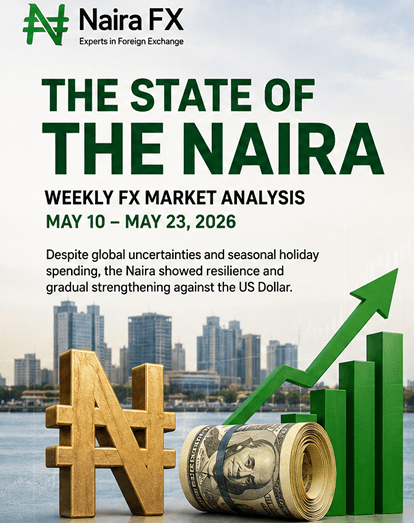
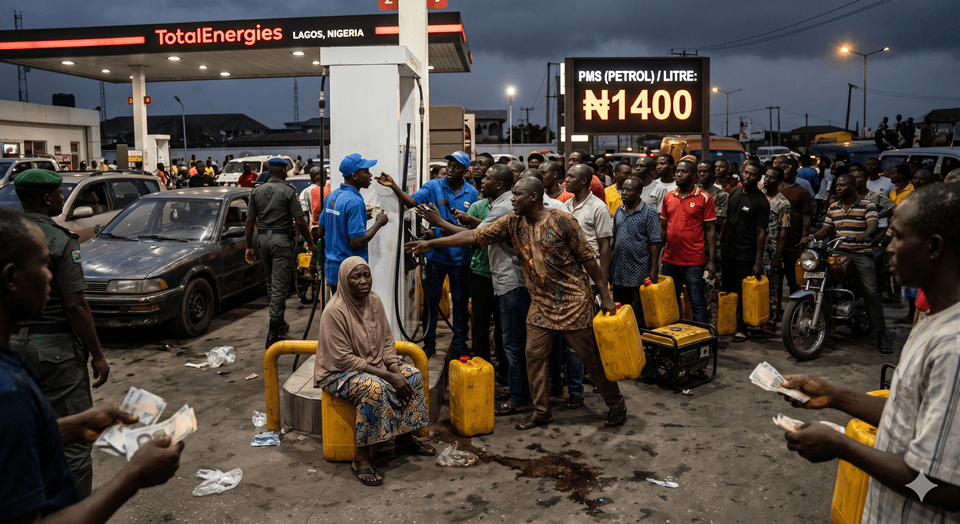
Nigeria’s fragile currency stability appears to be slipping again. After a brief period where the Naira showed signs of stabilizing, the dollar–naira exchange rate has begun weakening, coinciding with a fresh surge in petrol prices. These two developments are deeply linked: foreign exchange pressure often feeds directly into inflation and fuel prices, since Nigeria imports refined petroleum products priced in dollars.
📉 Recent Dollar–Naira Exchange Rate Movements NairaFX data
| Date (March 2026) | Dollar–Naira Rate |
|---|---|
| March 4 | ₦1,400/$ |
| March 5 | ₦1,418/$ |
| March 6 | ₦1,425/$ |
| March 7 | ₦1,420/$ |
| March 8 | ₦1,418/$ |
| March 9 | ₦1,417/$ |
| March 10 | ₦1,423/$ |
| March 11 | ₦1,440/$ ↑ |
- 4 Mar
- 6 Mar
- 8 Mar
- 10 Mar
- 11 Mar
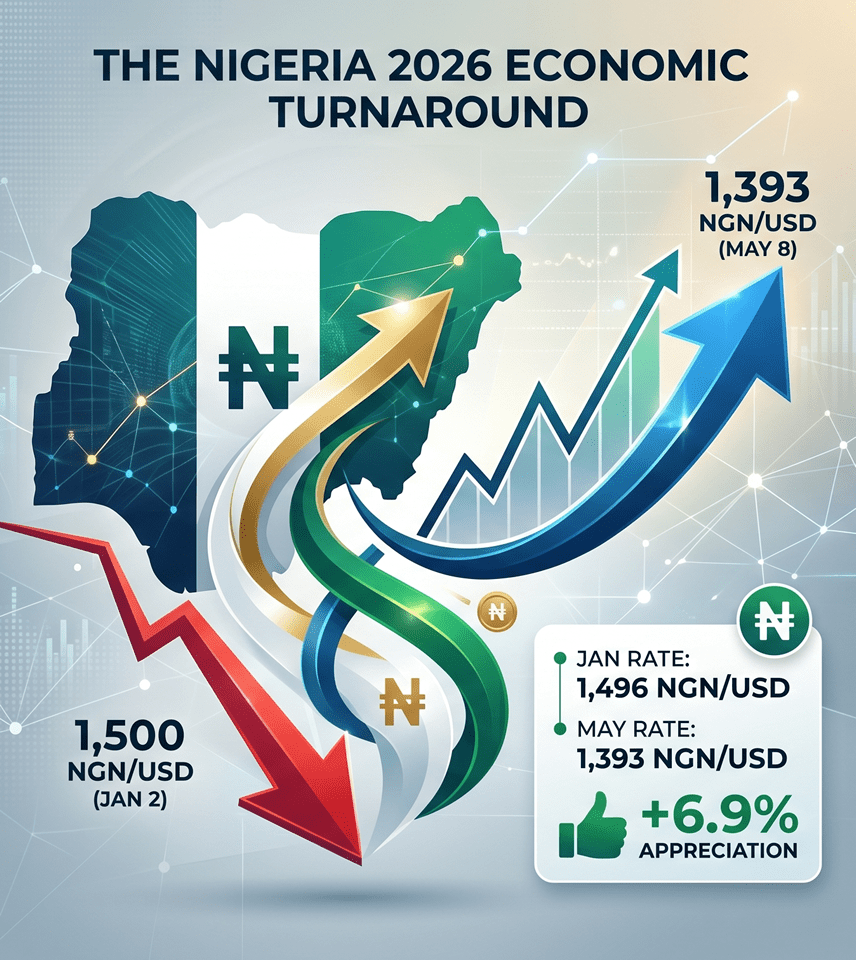
While the Naira briefly strengthened between March 6 and March 8, the improvement was marginal and short-lived. By March 11, the dollar climbed to ₦1440, wiping out most of the currency’s modest recovery.
The Naira had recently shown mild stabilization around the ₦1,417–₦1,423 range, giving markets some hope. However, NairaFX volatility indicators show that early March volatility was moderate but rising, with daily swings between ₦1,415 and ₦1,435. Market sentiment remained “Strong pressure” toward depreciation. This pattern indicates that the market never fully regained confidence.
⚡ Why the dollar–naira is under pressure again
Nigeria’s imports: refined petroleum, industrial inputs, consumer goods, machinery. Constant dollar demand strains reserves. CBN interventions continue, but structural demand remains high.
🔗 cbn.gov.ng
Petrol at ₦1350–₦1500 per litre — petroleum imports must be paid for in dollars. As the exchange rate weakens, fuel prices follow. This cycle fuels inflation, lifts transport costs, and erodes purchasing power.
🔗 Reuters · Bloomberg
Exchange rate instability, policy unpredictability, capital repatriation risks keep foreign investment tight. Without steady inflows, dollar supply stays tight.
🔗 IMF
Early March volatility moved from Strong → Moderate → Mild → Stable, but the exchange rate continued trending upward. This signals the market is slowly drifting weaker rather than experiencing a sudden crash. This type of movement often precedes larger market adjustments if fundamentals do not improve.
🌀 Turbulence ahead for the dollar–naira market
If current pressures continue, the exchange rate could test new levels in coming weeks.
📉 Gradual depreciation
Naira may slowly weaken toward ₦1450–₦1500/$.
📈 Volatile swings
Sharp moves as traders react to oil prices, FX interventions, capital flows.
🏦 Policy intervention
CBN could aggressively supply forex or tighten liquidity to stabilise the naira.
👀 What Nigerians should watch closely
Three indicators will determine where the dollar–naira exchange rate goes next:
- Foreign exchange reserves
- Oil production and export revenue
- Fuel pricing and import costs
If these improve, the Naira may regain stability. If they worsen, pressure could intensify.
🔎 Final take home
The sudden loss of the Naira’s recent gains highlights how fragile Nigeria’s currency stability remains. With fuel prices surging and foreign exchange demand still high, the coming weeks may bring continued turbulence in the dollar–naira exchange rate.
For businesses, traders, and everyday Nigerians, monitoring the FX market is now more important than ever.
Track live exchange rates and volatility indicators at
🌐 NairaFXchange.comNairaFX — market data updated daily · March 2026