currency
The Road Ahead for the Naira:What to Expect as March 2026 Begins
The Road Ahead for the Naira:
What to Expect as March 2026 Begins
📆 March 1–9, 2026
🇳🇬 USD/NGN: ₦1,380 → ₦1,417
⚡ volatility 0.0152
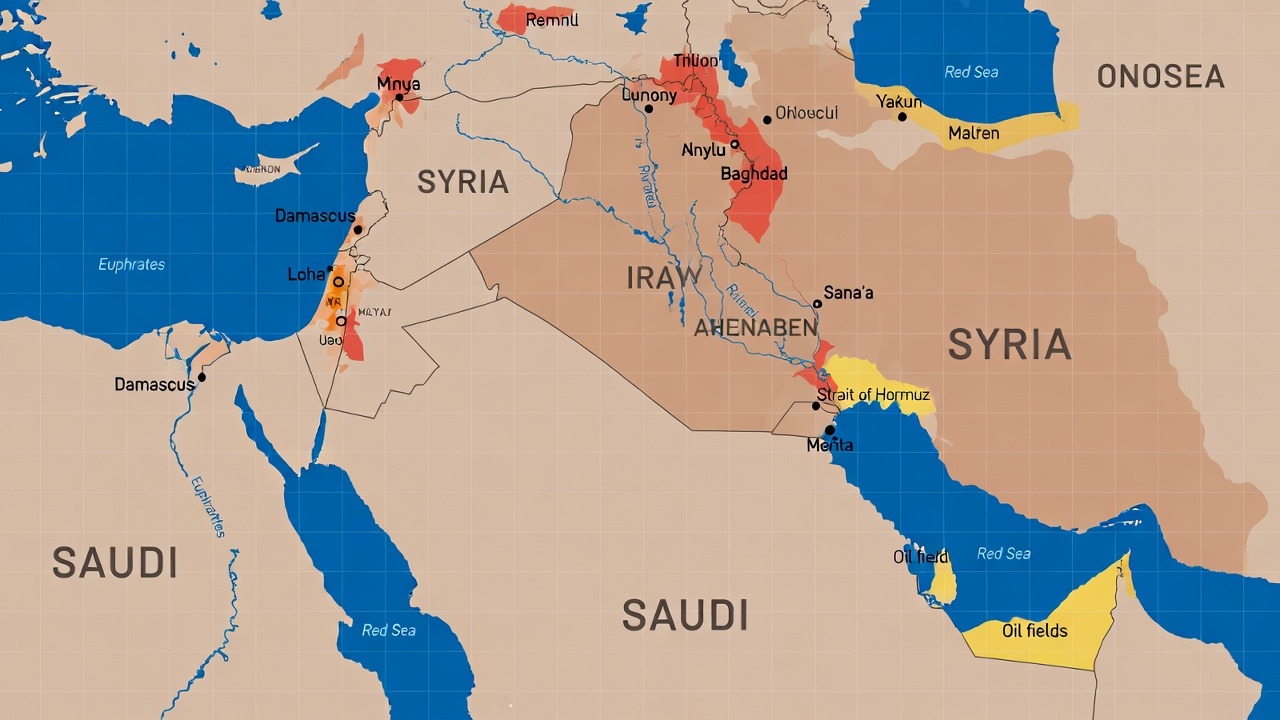
Fig 1 — Global tensions & safe‑haven dollar
As the week of March 9, 2026 begins, Nigeria’s foreign exchange market remains under close watch. The Naira experienced noticeable volatility during the first week of March, briefly weakening beyond ₦1,430 per dollar before stabilizing slightly around ₦1,417–₦1,420.
According to NairaFX market tracking data, the recent movement reflects both global economic developments and local demand pressures. For businesses, investors, and everyday Nigerians, understanding the road ahead for the Naira is essential as the global economy continues to react to geopolitical tensions, oil market shifts, and changing investor sentiment.
Naira Exchange Rate Trend: March 1 – March 9, 2026
Data tracked by NairaFX shows a clear pattern of early-week weakening followed by gradual stabilization.
| Date | USD/NGN | Market Direction |
|---|---|---|
| Mar 1 | ₦1,380 | Mild weakening |
| Mar 2 | ₦1,385 | Continued pressure |
| Mar 3 | ₦1,390 | Moderate weakening |
| Mar 4 | ₦1,400 | Strong weakening |
| Mar 5 | ₦1,418 | Peak pressure |
| Mar 6 | ₦1,425 | Market correction |
| Mar 7 | ₦1,420 | Recovery begins |
| Mar 8 | ₦1,418 | Stabilization |
| Mar 9 | ~₦1,417 | Stable start |
During the week, the Naira moved through a range of ₦1,380 to ₦1,430 per dollar, reflecting increased volatility across global currency markets. Volatility indicators peaked around 0.015, suggesting strong market reactions to external shocks.
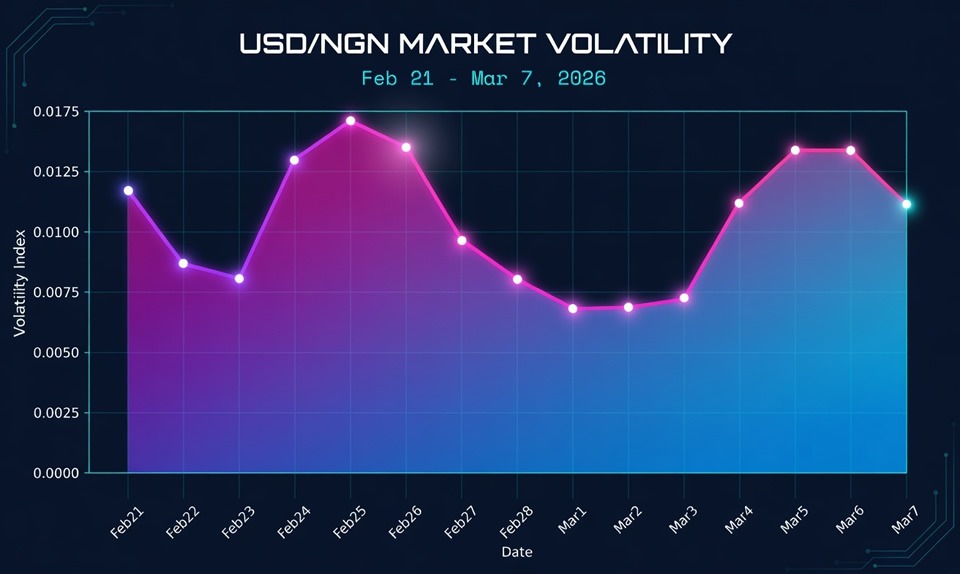
Fig 2 — volatility spike
Why the Naira Faced Pressure Last Week
Several factors contributed to the recent surge in the dollar.
1. Global Geopolitical Tensions
Escalating tensions in the Middle East have created uncertainty across financial markets. Historically, geopolitical conflict increases demand for safe-haven assets, especially the U.S. dollar. When global investors move funds into dollars, emerging market currencies such as the Naira often weaken.
“Geopolitical tensions can quickly shift currency markets due to risk aversion.”
— energy analysts, global investment banks
2. Oil Market Volatility
Nigeria’s economy is heavily linked to oil exports. The ongoing geopolitical tensions have triggered fluctuations in global crude oil prices, which can have mixed effects:
- Positive impact: Higher oil prices may increase Nigeria’s dollar earnings.
- Short-term impact: Global market uncertainty often strengthens the dollar before benefits from higher oil revenues are realized.
3. Rising Domestic Dollar Demand
Domestic demand for foreign currency remains strong due to import payments, international tuition fees, travel demand, business settlements. As demand for dollars rises, the Naira typically faces short-term depreciation pressure.
Signs of Stabilization Emerging
Despite the sharp movement earlier in the week, NairaFX data shows signs of stabilization after March 6. The exchange rate moved from: ₦1,425 → ₦1,420 → ₦1,418 → ₦1,417. This gradual correction suggests the market may have reached a temporary resistance level near ₦1,430 per dollar. Currency markets often test resistance levels before settling into a new trading range.
Key Technical Indicators from NairaFX Data
7‑day MA₦1,412reflecting upward drift
Volatility (peak)0.0152→ now 0.0105
trading range₦1,390–1,430short-term
What Could Influence the Naira Next
- Global oil prices: If oil prices continue rising due to tensions, Nigeria may benefit from increased export revenue — though the effect on the currency may take time.
- Central Bank policy: The CBN continues to monitor the forex market and may intervene to stabilize excessive volatility. Liquidity & policy signals remain key.
- Foreign investment flows: Investor sentiment toward emerging markets influences the Naira. Global investors tend to reduce exposure to riskier assets during uncertainty.
What This Means for Nigerians
- Higher fuel prices
- Rising transportation costs
- Increased prices for imported goods
- Pressure on small businesses
However, improved oil revenues and increased FX inflows could eventually support the currency.
NairaFX Outlook for Mid-March 2026
Based on current data and global trends, analysts expect the Naira to trade within ₦1,380 – ₦1,450 per dollar in the near term.
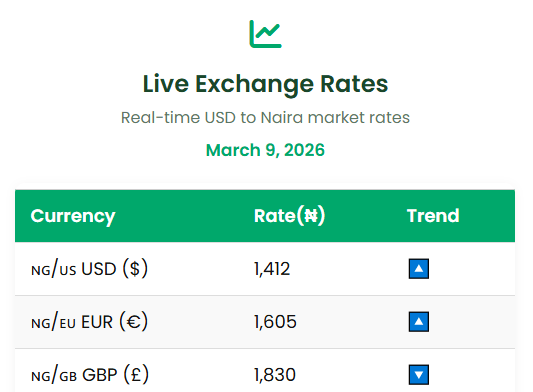
Fig 5 — NairaFX real‑time data
Why Monitoring the FX Market Matters
In today’s interconnected global economy, currency markets react quickly to international developments. For businesses and individuals alike, keeping track of these changes can help with: planning imports, managing foreign currency exposure, anticipating price changes. Platforms like NairaFX provide data-driven insights to help Nigerians navigate the evolving foreign exchange market.
Final Thoughts
The Naira’s movement during the first week of March highlights how quickly global events can influence local currency markets. While the dollar surged briefly above ₦1,430, signs of stabilization are emerging as the market begins the week of March 9, 2026.
The coming weeks will likely depend on global geopolitical developments, oil price movements, and domestic forex liquidity. For now, analysts and traders alike will continue watching closely as the road ahead for the Naira unfolds.
— NairaFX analytics · 9 March 2026
Sources and rate context
NairaFX marketplace rates are not official CBN rates. NairaFX rates reflect member listings and the terms recorded for a specific marketplace transaction. Central Bank of Nigeria NFEM references describe the official market benchmark and may differ by time, source, route, amount and transaction conditions.
- Central Bank of Nigeria — official exchange-rate data
- Central Bank of Nigeria — Nigerian foreign-exchange market overview
- Central Bank of Nigeria — data and statistics
Bank procedures and regulatory requirements can change. Confirm current requirements with the relevant bank or regulator before acting.