currency
The Middle East War, Rising Fuel Prices, and the Naira: What Nigerians Should Expect Next
The Middle East War, Rising Fuel Prices, and the Naira: What Nigerians Should Expect Next
March 8, 2026
•
FX analysis by NairaFX
🇳🇬 In brief: Middle East conflict pushes oil up and dollar up → Naira weakens from ₦1,334/$ (Feb 21) to over ₦1,420/$ (Mar 7). Petrol prices rising, more pressure on living costs. Here’s what the data and global analysts say about the weeks ahead.
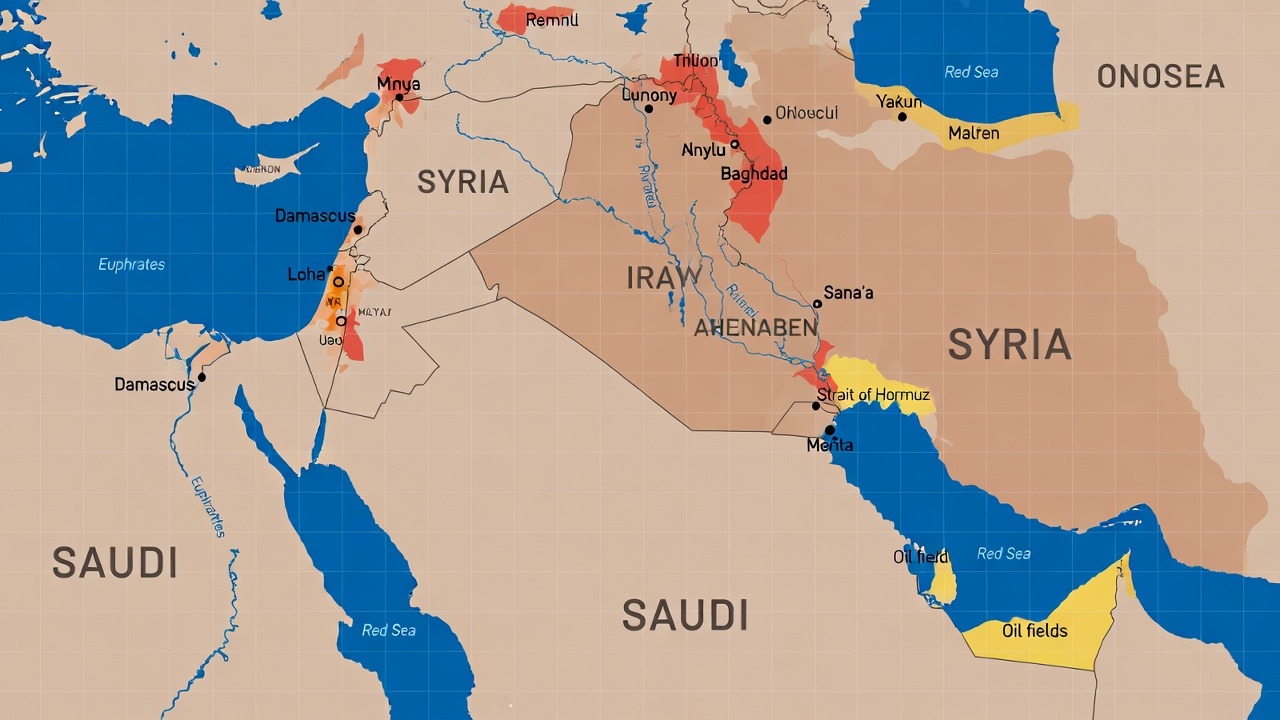
Fig 1: Middle East tension affects global oil routes — visual context
Nigeria’s economy is once again facing pressure from global events. The ongoing war in the Middle East has begun to ripple across global markets, pushing oil prices higher and strengthening the U.S. dollar worldwide. For Nigeria, the consequences are already becoming visible.
In the past two weeks, petrol prices at Nigerian filling stations have started to rise, while the Naira has weakened against the U.S. dollar, moving from around ₦1,334/$ on February 21 to over ₦1,420/$ by March 7 according to NairaFX market data.
For the average Nigerian, this combination of higher fuel prices and a weaker Naira could shape the cost of living in the coming months.
This article analyzes recent FX data, global analyst commentary, and economic signals to explain what is happening — and what may happen next.
Naira Exchange Rate Movement (Late February – Early March 2026)
Recent market data shows how quickly currency sentiment has shifted.
| Date | USD/NGN | Market Direction |
|---|---|---|
| Feb 21 | ₦1,334 | Early stability |
| Feb 24 | ₦1,375 | Moderate weakening |
| Feb 26 | ₦1,365 | Temporary recovery |
| Feb 28 | ₦1,374 | Stable |
| Mar 3 | ₦1,390 | Renewed pressure |
| Mar 4 | ₦1,400 | Strong weakening |
| Mar 5 | ₦1,418 | Sharp depreciation |
| Mar 7 | ₦1,420 | High volatility |
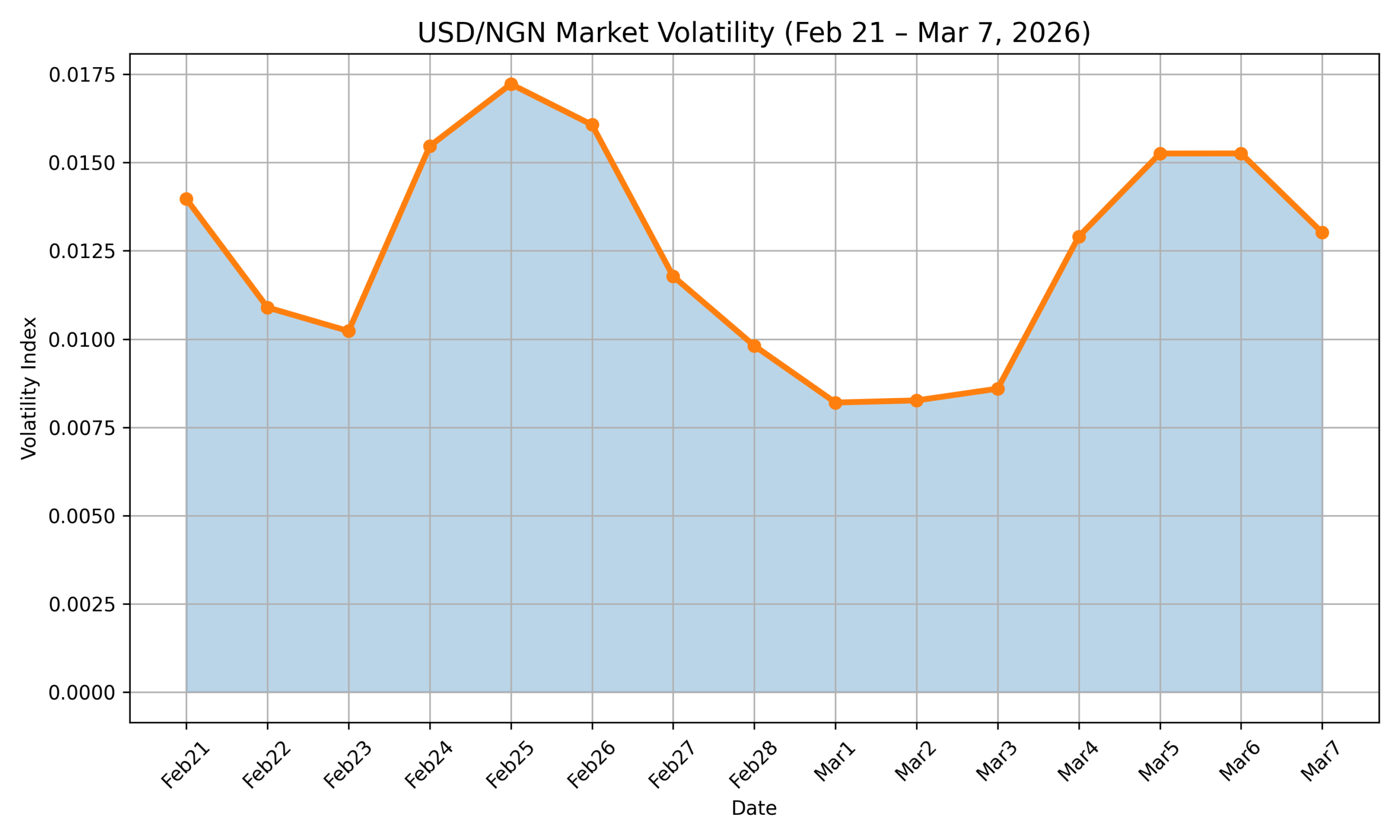
Fig 2: Naira volatility exceeded 0.015 in early March
peak loss≈6.4%Feb 21 – Mar 5
volatility>0.015strong fluctuations
latest₦1,420Mar 7, high volatility
Why the Middle East War Matters for Nigeria
The Middle East is one of the world’s most important oil-producing regions. When conflicts escalate there, global energy markets react quickly.
Energy analysts at major financial institutions have warned of three immediate effects:
- Oil prices rise
- U.S. dollar strengthens
- EM currencies weaken
“Geopolitical tensions in oil-producing regions historically push crude prices higher as markets price in supply disruptions.”
— Goldman Sachs
“During global crises, investors move capital into safe-haven assets like the U.S. dollar.”
— Morgan Stanley
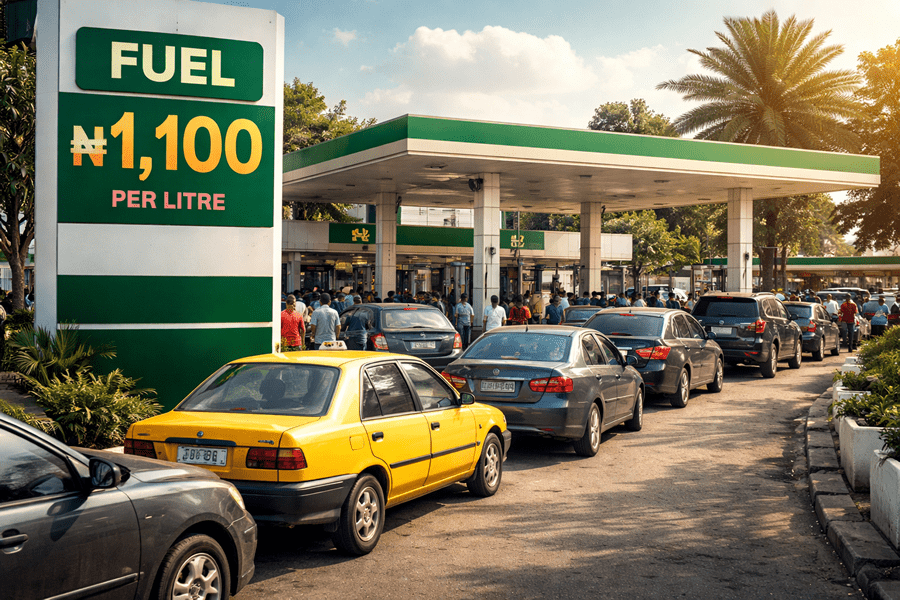
Fig 3: Petrol pumps reflect higher import costs & weaker naira
Why Petrol Prices Are Rising in Nigeria
Although Nigeria is an oil-producing country, domestic petrol prices are still heavily influenced by international markets.
- Higher global oil prices — cost of refined imports increases.
- A weaker Naira — importers pay more Naira per dollar. Example: $1 = ₦86 additional cost vs Feb 21.
- Supply chain risks — Middle East shipping disruptions raise transport costs.
What Global Analysts Are Saying
“Extended conflict could push oil prices significantly higher if supply routes are disrupted.”
— JP Morgan
“Emerging market currencies could remain under pressure.”
— HSBC
Mohamed El-Erian (ex-PIMCO) notes geopolitical shocks create short-term currency volatility in import‑dependent economies — Nigeria fits that profile.
What This Means for the Average Nigerian
- Higher transportation costs — fares likely to rise.
- Rising food prices — distribution cost increases.
- Pressure on small businesses — generators become costlier.
- More expensive imports — electronics, clothing, etc.

Fig 4: Food distribution costs rise with fuel & forex pressure
Signs of Stabilization in Early March
| Date | Rate |
|---|---|
| Mar 5 | ₦1,430 |
| Mar 6 | ₦1,425 |
| Mar 7 | ₦1,420 |
Markets may be testing resistance near ₦1,430/$. Short‑term corrections are common after sharp spikes.
What Could Happen Next
- Scenario 1: Oil prices continue rising — escalation could push Naira toward ₦1,450/$+.
- Scenario 2: Market stabilization — if tensions ease, Naira may settle ₦1,380–₦1,420.
- Scenario 3: Increased FX supply — oil exports, remittances, investment could help regain strength.
Why Monitoring FX Trends Matters
Currency markets move fast. A conflict far away can quickly affect fuel prices and exchange rates in Nigeria. For businesses and individuals, understanding movements helps with planning imports, expenses, and anticipating changes.
Platforms like NairaFX provide real-time monitoring and analysis.
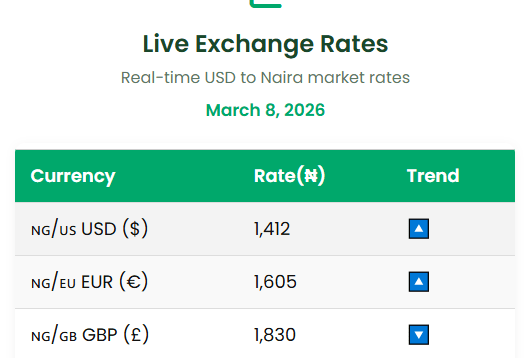
Fig 5: NairaFX provides live market data & analysis
Final Thoughts
The recent surge in the U.S. dollar and rising fuel prices highlights how deeply Nigeria’s economy is connected to global events. While higher oil prices could increase export earnings in the long term, short-term volatility is likely to continue.
For the average Nigerian, the coming weeks may bring higher transportation costs, rising prices, and currency fluctuations.
But as history shows, currency markets eventually stabilize once global uncertainties ease.
Staying informed and monitoring the market closely may be the best strategy.
© NairaFX — data as of March 7, 2026
Sources and rate context
NairaFX marketplace rates are not official CBN rates. NairaFX rates reflect member listings and the terms recorded for a specific marketplace transaction. Central Bank of Nigeria NFEM references describe the official market benchmark and may differ by time, source, route, amount and transaction conditions.
- Central Bank of Nigeria — official exchange-rate data
- Central Bank of Nigeria — Nigerian foreign-exchange market overview
- Central Bank of Nigeria — data and statistics
Bank procedures and regulatory requirements can change. Confirm current requirements with the relevant bank or regulator before acting.